Fulham Road flat rubbish clearance and recycling Chelsea SW3
Posted on 15/07/2026
Fulham Road flat rubbish clearance and recycling Chelsea SW3: a practical local guide
If you live in a flat on Fulham Road, rubbish tends to build up in the most ordinary ways: a broken chair by the door, packaging from a new sofa, a bag of recycling that never quite gets taken out, or the remains of a clear-out that was meant to take "just one afternoon". Fulham Road flat rubbish clearance and recycling Chelsea SW3 is really about making that process simple, tidy, and responsible without turning your hallway, lift, or pavement into an obstacle course.
This guide breaks down how flat clearance works in Chelsea SW3, what to recycle, what to separate, and how to avoid the usual headaches. If you are comparing options, trying to keep costs sensible, or just want the job done properly, you will find the essentials here.
Quick takeaway: The best flat clearance in Chelsea is usually the one that plans for access, sorts recyclables early, and removes everything in one clean visit. Small thing, big difference.
Why Fulham Road flat rubbish clearance and recycling Chelsea SW3 matters
On paper, clearing rubbish from a flat sounds straightforward. In practice, it rarely is. Flats along Fulham Road often involve shared entrances, narrow stairwells, lift booking rules, concierge access, and neighbours who definitely notice if a mattress is left in the corridor overnight. That is why a structured approach matters. It keeps the building tidy, avoids friction with management, and helps recycling happen properly instead of becoming an afterthought.
There is also a sustainability angle. In a busy part of Chelsea, good recycling habits are not just a nice extra. They reduce avoidable waste, lower the amount sent to disposal, and make it easier to deal with items that can be reused, broken down, or processed separately. If you have ever looked at a pile of mixed rubbish and thought, right, where on earth do I start?, you already know why the process deserves some planning.
For landlords, tenants, homeowners, and managing agents, the stakes are a little different but the principle is the same: the cleaner the process, the less time and money gets burned on follow-up problems. A rushed clear-out often creates extra trips, damaged walls, and missed recycling opportunities. A good one leaves the flat ready for whatever is next.
How Fulham Road flat rubbish clearance and recycling Chelsea SW3 works
Most flat clearances follow a simple flow, but the details matter. First comes sorting. Then access planning. Then loading, removal, and recycling or disposal at the correct destination. In a flat environment, the practical bottlenecks are usually not the rubbish itself. It is the stairs, parking, timing, and how quickly the property can be cleared without disturbing everyone else in the building.
A professional clearance visit typically starts with a quick assessment of what needs to go. That may include general household rubbish, old furniture, bags of mixed junk, appliances, cardboard, or items from a partial move-out. If the load includes bulky pieces, fragile material, or anything awkward to carry, the team usually plans a route through the building before lifting anything. Sounds obvious, but it saves a lot of awkward turning in tight spaces.
Recycling is usually handled by separating suitable material from general waste. Cardboard, metals, some plastics, wood, and reusable items may be sorted out depending on condition and local handling arrangements. For example, a pile of flattened boxes from a furniture delivery should not be treated the same way as broken shelving or damp packaging. One ends up in recycling; the other might not.
If the clearance is larger or part of a bigger property project, it may link naturally with rubbish clearance in Chelsea or even a more specific service such as furniture disposal in Chelsea. When the job involves post-refurbishment debris, a dedicated builders waste clearance service can be the better fit.
The workflow is usually calmer than people expect. There is less chaos when the rubbish is staged properly and the loading sequence is thought through. You will notice the difference almost immediately in a flat building: less noise, less time in communal areas, fewer "sorry, just passing through" moments. Which, let's face it, everyone prefers.
Key benefits and practical advantages
The biggest benefit is obvious: the flat becomes usable again. But there are several smaller advantages that matter just as much in Chelsea SW3.
- Less disruption in shared spaces: a well-planned clearance keeps corridors, lifts, and doorways clear.
- Better recycling outcomes: items are separated properly rather than being mixed into one unsorted pile.
- Faster turnaround: what looks like a big job can often be completed in a surprisingly short time if access is organised.
- Less physical strain: bulky lifting, awkward furniture, and repeated trips are handled by people used to it.
- Cleaner property handover: especially useful for landlords, letting agents, sellers, and tenants at the end of a tenancy.
- More predictable results: no waiting for multiple collections or trying to fit a skip into a street where space is already tight.
There is also a quieter benefit that people often forget: peace of mind. A flat clearance done properly removes the background stress of living around clutter. The room feels bigger. The air feels cleaner. You stop stepping around the same box every morning. That sounds small, but in a city flat it matters a lot.
For readers comparing broader options, it helps to understand the difference between waste removal, junk removal, and more specific services such as house clearance. The right choice depends on whether you are clearing one room, a full flat, or a mixed load of household items and general rubbish.
Who this is for and when it makes sense
Fulham Road flat rubbish clearance and recycling Chelsea SW3 is useful for more people than you might think. It is not just for major moves or dramatic end-of-tenancy jobs. In everyday life, it often makes sense when a property has gradually filled with things that no longer earn their keep.
This service tends to suit:
- tenants moving out of a flat and needing the place left tidy
- landlords preparing for new occupants
- homeowners clearing accumulated clutter after renovations or purchases
- letting agents handling fast turnarounds between tenancies
- people replacing furniture or white goods and needing the old items removed
- flat owners dealing with loft, storage, or hallway overflow
- busy residents who simply do not have the time or vehicle capacity to deal with it themselves
It also makes sense after a furniture refresh. For instance, if a new bed arrives on a Tuesday morning and the old frame has to go, it is a lot easier to arrange one coordinated clearance than to keep the old item propped awkwardly in the spare room for two weeks. We have all seen that room. The one where "temporary" storage becomes a lifestyle.
If the work is more about a general clean-out than a single item, it may be worth looking at loft clearance or garage clearance where the clutter has spread beyond the main living area. For small but urgent collections, rubbish collection in Chelsea can be a more direct route.
Step-by-step guidance
Here is a practical way to approach the job without overcomplicating it.
- Walk through the flat and identify everything that needs to go. Separate general waste, recycling, reusable items, and anything that may need special handling.
- Check access details. Think about stairs, lifts, parking, concierge rules, and any building time restrictions. This is the bit people often underestimate.
- Set aside items for reuse or donation. Even if you are not donating them yourself, keeping reusable items distinct helps the whole process run better.
- Bag or box smaller material. Loose rubbish takes longer to move and is more likely to spill in shared areas.
- Place bulky items where they can be lifted safely. Avoid blocking doors or fire exits. A clear path saves time and reduces risk.
- Confirm what will be taken and what must stay. Hazardous or restricted items may require separate handling.
- On the day, keep the route clear. The less back-and-forth, the better for everyone in the building.
- After removal, check the final space. Look behind doors, inside cupboards, and on balconies. It is amazing how often a rogue bag gets left behind.
A useful habit is to create three simple piles before anything leaves the flat: recycle, reuse, and dispose. That one move can save a lot of confusion later. And if the flat is very full, do the sorting room by room instead of trying to tackle everything at once. It feels slower at first, but it usually ends up faster overall.
If you want to understand what a wider service journey looks like, the services overview page is a helpful starting point, while the pricing and quotes page can help set expectations before you book.
Expert tips for better results
In our experience, the difference between a smooth clearance and a stressful one usually comes down to preparation, not effort. A few simple choices can make a big impact.
1. Take photos before you book. Clear photos of the items, access points, and stairways help everyone understand the job in advance. It also reduces surprises on arrival.
2. Separate recycling before collection. Flatten cardboard. Empty containers where practical. Keep clean material apart from contaminated material. Recyclables are much easier to handle when they are not mixed with food waste or damp rubbish.
3. Watch the building schedule. In flats, timing matters. Avoid peak lift times if possible, and check whether contractors need to sign in or use a service entrance.
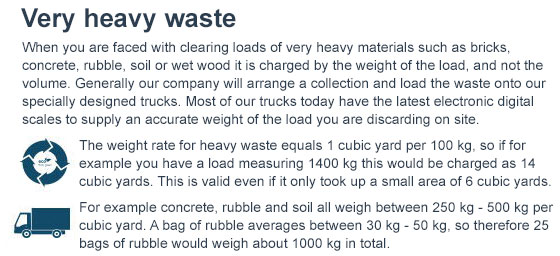
4. Think about weight distribution. A pile of books, a chest of drawers, and a washing machine are not the same thing. Heavy items should be planned first so the removal sequence makes sense.
5. Keep fragile or personal items separate. It sounds obvious, but paperwork, cables, jewellery boxes, and old photo albums can disappear into a "general clutter" pile very quickly.
6. Ask about recycling routes for awkward materials. Some items are recyclable in principle but need special sorting or processing. It is better to ask than to guess.
One small human note: people often feel guilty about clutter. Please don't. Flats gather things. Life gets busy. The goal is to clear the space sensibly, not to stage a moral trial for every old lamp shade in the room.
If you are focused on responsible disposal, a dedicated page on recycling and sustainability is worth a look, and for formal reassurance on how jobs are managed, insurance and safety matters too.
Common mistakes to avoid
Most flat clearance problems are preventable. The issues usually start small, then snowball. Here are the classic ones.
- Leaving sorting until the last minute: mixed waste takes longer to clear and may reduce recycling opportunities.
- Forgetting building access rules: no one wants a lift booking clash or a blocked entrance at 8 a.m.
- Underestimating bulky items: a sofa, bed base, or wardrobe always takes more planning than expected.
- Mixing reusable items with rubbish: once mixed, they are harder to separate later.
- Assuming everything can go into one pile: some items need different handling, especially electricals and heavier objects.
- Not measuring large furniture: it sounds basic, but a door frame can become a problem very quickly.
A particularly common mistake in Chelsea flats is ignoring communal courtesy. If the corridor is narrow or the lift is shared, a rushed job can create tension in the building. Better to take the extra five minutes and keep things calm. It really is worth it.
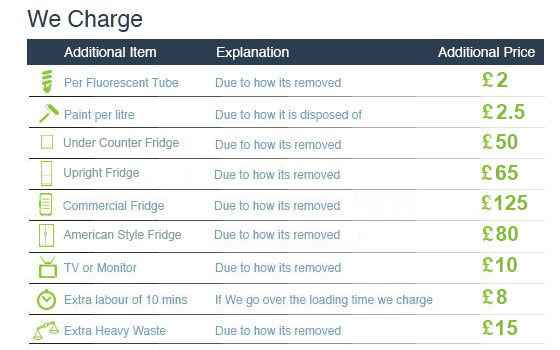
Another one: people sometimes book the cheapest option without checking what is included. That can lead to awkward add-ons later. A proper quote should be clear about access, labour, removal, and whether recycling or disposal is included. No mystery fees. No drama.
Tools, resources and recommendations
You do not need much equipment for a basic clear-out, but a few simple tools help a lot.
- Strong bin bags and boxes: useful for sorting loose items and keeping recyclables together.
- Labels or marker pens: helpful when different rooms are being cleared at once.
- Gloves and basic cleaning supplies: sensible for dusty storage areas, old boxes, or mixed waste.
- Measuring tape: handy for furniture dimensions and access checks.
- Phone camera: useful for logging items before removal or sharing job details.
For many readers, the best "resource" is simply a sensible service page that explains the options in plain English. If you are comparing what can be removed, furniture disposal in Chelsea is useful when the focus is bulky items, while skip hire can suit longer projects where you want a container on site. The right answer depends on access, volume, timing, and how much sorting you want to do yourself.
For broader background reading around the local area and what residents tend to value in Chelsea, these articles can provide useful context: the Kings Road rubbish removal guide for Chelsea homes SW3 and same-day rubbish collection tips near Sloane Square. They are especially helpful if you need a quick local read on access and timing.
Law, compliance, standards and best practice
When rubbish leaves a flat, you are not just moving clutter. You are handing waste into a chain of responsibility. In the UK, householders and businesses are expected to take reasonable care that waste is transferred to a legitimate collector and handled properly. For private residents, the main practical point is simple: choose a service that can deal with waste lawfully and responsibly, and keep clear records if the job is tied to tenancy, property management, or business activity.
Best practice also means separating items where it makes sense. Recycling should be kept clean and dry where possible. Electrical items should not be thrown into mixed waste without thought. Sharp or broken material should be secured safely before it is moved. If there are hazardous items, it is wise to ask for guidance rather than guess.
In shared buildings, the standards are not only legal. They are social and practical too. Keep routes clear. Avoid leaving waste in communal areas. Do not block fire exits. Be considerate about noise and timing. That might sound like common sense, but common sense is often the first thing to vanish when people are rushing.
If you want reassurance around the operator side of things, the pages on terms and conditions, payment and security, and about us are the sort of pages that help build trust before you book. For anyone concerned about ethical operations, the site's modern slavery statement and accessibility information are also part of a responsible service picture.
Options, methods and comparison table
Not every clear-out needs the same method. The best option depends on the amount of rubbish, the building setup, and how much time you have.
| Method | Best for | Advantages | Possible drawbacks |
|---|---|---|---|
| Flat clearance service | Mixed loads, bulky items, full or partial room clear-outs | Hands-off, efficient, suitable for awkward access | May cost more than a self-managed trip |
| Recycling-led clear-out | Cardboard, clean household recycling, sorted material | Good environmental outcome, tidy and organised | Needs more preparation and separation |
| Skip hire | Longer projects, ongoing DIY work, larger volumes | Useful for staged disposal over several days | Requires space, permits may be relevant, less flexible in flats |
| Self-load and dispose | Small amounts, people with a vehicle and spare time | Direct control, no booking complexity | Time-consuming, physically demanding, not ideal for bulky items |
For most Fulham Road flats, the sweet spot is usually a collection-based clearance with careful recycling, especially where access is tight or time is limited. Skip hire can make sense for longer refurbishments, but in many apartment buildings it is not the most convenient option. Truth be told, not every London street wants a skip sitting outside like an unwelcome neighbour.
Case study or real-world example
Imagine a two-bedroom flat near Fulham Road after a tenancy change. The departing residents have a sofa, a broken coffee table, several bags of mixed rubbish, a stack of flattened boxes, and a few odds and ends from the kitchen cupboard that were never quite sorted out. There is also a narrow entrance hall and a lift that only fits one bulky item at a time.
A sensible approach starts the day before: the cardboard gets flattened, the smaller rubbish is bagged, and anything reusable is pulled aside. The sofa is measured and the route to the lift is checked. The team arrives, protects the route where needed, and loads items in the right order so nothing gets trapped or damaged. Recycling is separated from general waste. The flat is left clear, not just emptied.
The resident's relief is obvious. Not dramatic. Just that quiet, tired kind of relief that comes when a job you have been dreading is finally off the list. That is often what people want most: not a big story, just the room back.
For a job like that, a service focused on office clearance or house clearance would only be appropriate if the property type and contents matched. In many flats, the more specific rubbish and furniture routes make more sense.
Practical checklist
Use this checklist before booking a clearance in Chelsea SW3:
- Identify everything that needs to leave the flat
- Separate recycling, reuse, and general rubbish
- Check lift access, stair access, and building rules
- Measure large furniture and appliances
- Confirm whether any items need special handling
- Clear a path from each room to the exit
- Set aside items you are keeping, so they are not removed by mistake
- Prepare bags, boxes, or labels for small items
- Ask about collection timing and estimated duration
- Make sure payment and booking details are understood in advance
If you are not sure where to start, begin with the biggest items. Once those are gone, the rest feels easier. Always does.
Conclusion
Fulham Road flat rubbish clearance and recycling Chelsea SW3 works best when the process is calm, sorted, and realistic about the building you are working in. The aim is not just to remove waste. It is to restore usable space, keep recycling meaningful, and avoid unnecessary friction in a shared urban environment.
Whether you are clearing a single room, preparing a tenancy handover, or dealing with a bigger change in the flat, the same principles apply: plan access, separate material early, and choose the method that suits the property rather than forcing a one-size-fits-all solution. That is how you get a cleaner result with less stress.
And once the last bag is gone and the hallway is quiet again, there is a surprisingly nice feeling in the room. A bit more light. A bit more space. A proper reset.
Get a free quote today and see how much you can save.
For a straightforward next step, use the site's contact page to discuss your flat clearance needs and get the right plan for your Chelsea property.


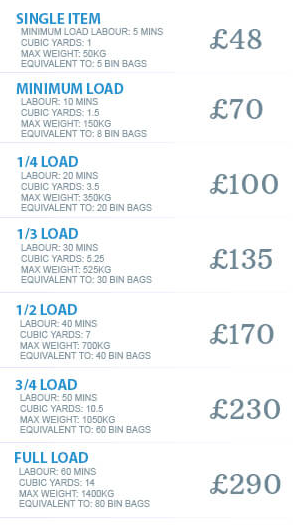
 Tipper Van - Rubbish Removal and Domestic Waste Clearance Prices in Chelsea, SW3
 Luton Van - Rubbish Removal and Domestic Waste Clearance Prices in Chelsea, SW3