Kings Road rubbish removal guide for Chelsea homes SW3
Posted on 20/06/2026
If you live near Kings Road, you already know the rhythm of Chelsea life: busy pavements, elegant terraces, compact mews homes, basement flats, and the occasional van wedged into a space that was never really designed for a van. That is exactly why a Kings Road rubbish removal guide for Chelsea homes SW3 is useful. Clearing unwanted items here is rarely just a matter of "put it outside and hope for the best". It is about access, timing, neighbours, sorting, lifting, and making sure the whole job is handled cleanly the first time.
This guide walks you through how rubbish removal works in SW3, what to expect on Kings Road and nearby streets, the common mistakes people make, and how to choose the most practical option for your home. Whether you are decluttering a flat, clearing furniture after a move, or dealing with builders' debris, the goal is the same: less stress, less mess, and a smoother day overall.
Why Kings Road rubbish removal matters
Kings Road is one of those parts of London where the street itself shapes the job. You have traffic to think about, loading space that disappears quickly, a steady flow of pedestrians, and properties that often come with narrow stairwells, shared entrances, or restricted access. So rubbish removal here is not just about convenience. It is about doing the job in a way that fits the area.
For Chelsea homes in SW3, rubbish tends to build up in very ordinary ways. A sofa that will not fit through the hallway. A wardrobe from a bedroom refresh. Cardboard after a delivery spree. A few bags from a loft clear-out that somehow became ten. Add renovations or garden work, and the pile grows fast. If you leave it too long, it becomes one more thing hanging over you. And let's face it, nobody wants a hallway that looks like a storage unit.
There is also a practical side. In a neighbourhood like Chelsea, the value of a tidy exterior and clean shared spaces is obvious. A quick, well-planned removal keeps neighbours happy, reduces disruption, and helps you move on with the next part of the project. If you are thinking about the bigger picture of home ownership or property presentation, the broader local context is worth exploring through Chelsea property market insights and whether Chelsea is a good neighborhood to call home.
Expert summary: On Kings Road, rubbish removal works best when it is planned around access, timing, and waste type. The fastest-looking option is not always the easiest one; the smoothest option usually is.
How Kings Road rubbish removal guide for Chelsea homes SW3 works
The process is usually simpler than people expect, but the details matter. Most residential rubbish removal jobs in Chelsea follow a fairly clear pattern: identify the waste, estimate the volume, arrange access, remove items safely, and sort materials for reuse, recycling, or disposal.
For a flat or townhouse near Kings Road, the practical flow often looks like this:
- Assess what needs removing. Split items into furniture, general rubbish, recyclable materials, garden waste, and anything requiring special handling.
- Check access. Think about stairs, lifts, parking, loading restrictions, and whether items need to come through a narrow front door or shared hallway.
- Prepare items. Remove loose contents, flatten cardboard, and separate anything you want to keep.
- Choose the right method. Some jobs suit a direct collection; others are better handled as fuller clearance work.
- Remove and sort. Items are loaded, transported, and then separated where possible for recycling and responsible disposal.
If your job is mixed or a bit more involved, it may overlap with rubbish clearance in Chelsea, waste removal services, or even a broader house clearance. For heavier pieces, furniture disposal can be the most sensible route. Truth be told, the right service is often the one that matches the mess you actually have, not the one that sounds simplest on paper.
One small but important point: in Chelsea, timing matters. A team arriving too early can create noise issues. Too late and you hit traffic or lose loading space. A well-run collection should feel almost boring in the best possible way. Efficient. Quiet. Done.
Key benefits and practical advantages
Good rubbish removal is not just a cleanup. It changes how a space feels and how quickly you can use it again.
- Less disruption: A managed collection saves you from repeated trips to the kerb or the stress of trying to fit large items into a small car.
- Better use of time: One visit from a proper clearance team can do in an hour what might take you an entire weekend.
- Cleaner shared spaces: That matters in mansion blocks, terraces, and converted flats where hallways are part of everybody's living environment.
- Safer handling: Heavy or awkward items are moved properly, reducing the risk of damaged walls, bruised shins, or a regrettable lift-related comedy moment.
- Smarter sorting: Recyclable materials and reusable items can be separated more cleanly when the job is handled by people who know what they are doing.
There is a quieter benefit too: peace of mind. When a room, garage, or loft is cleared, the mental load drops. Suddenly the spare room feels like a spare room again, not a "we'll deal with that later" zone. That alone is worth a lot.
For home projects that involve renovation debris, take a look at builders waste clearance in Chelsea. If the clutter is coming from the garden rather than inside the house, garden waste removal is a better fit.
Who this is for and when it makes sense
This guide is for anyone living, renting, buying, selling, or managing property around Kings Road and wider SW3. In practice, that includes a lot of different situations.
- Homeowners clearing out old furniture, appliances, or accumulated clutter.
- Renters needing a fast end-of-tenancy tidy before handover.
- Landlords and letting agents dealing with left-behind items or post-tenancy clearances.
- Buyers and sellers preparing a property for viewings, staging, or completion day.
- Renovators removing packaging, broken fixtures, old fittings, and light construction waste.
- Busy households that simply do not have time for repeated tip runs.
It also makes sense if your rubbish is awkward. Maybe it is a bulky mattress. Maybe it is a pile of mixed waste from a room refresh. Maybe you have just emptied a loft and discovered an entire decade of "useful" boxes. You know the type.
If your situation is connected to a bigger home project, the following pages may also help you decide what support you need next: loft clearance, garage clearance, and junk removal. For workplaces, office clearance is the more relevant route.
Step-by-step guidance
Here is a straightforward way to handle rubbish removal around Kings Road without overcomplicating it.
1. Start with a room-by-room sort
Do not begin by moving everything into the hallway. That is how a tidy job turns into chaos by 9:30 in the morning. Walk through each room and decide what stays, what goes, and what needs a special plan.
2. Separate the obvious categories
Put furniture, cardboard, small mixed rubbish, electrical items, and garden waste into rough groups. You do not need perfection, just enough structure to make collection quicker.
3. Measure the volume honestly
A lot of people underestimate how much they have. A single sofa, two armchairs, a few bags, and a broken chest of drawers can fill a vehicle faster than expected. Be realistic. It saves time later.
4. Think about access before collection day
If the property has narrow stairs, limited parking, or a shared entrance, say so early. That way the team can plan around the site rather than discovering the obstacle when they arrive. Which, to be fair, nobody enjoys.
5. Prepare the items
Empty drawers, tape loose cables, and clear a path where possible. Even five minutes of prep can make the removal faster and safer.
6. Choose the right level of service
For a couple of bags, a straightforward collection may be enough. For a whole-room clear, a broader clearance service can be better value and far less hassle.
7. Confirm what happens after collection
It is useful to understand where the waste goes and whether the provider sorts for recycling. If sustainability matters to you, read more about recycling and sustainability before booking.
A small real-world example: a first-floor flat off Kings Road with a wardrobe, broken desk, bedding, and six bags of mixed clutter is not unusual. What helps most is not brute force; it is sequencing. Clear the loose rubbish first, remove furniture second, and keep the landing free throughout. Simple, but it works.
Expert tips for better results
These are the things that usually make a job smoother in Chelsea homes, and sometimes save a bit of money too.
- Book earlier than you think. Good timing matters more in SW3 than in many suburban areas, especially if access is tight or parking is limited.
- Take photos before you book. Images help describe the volume and type of waste much better than a hurried phone call.
- Keep valuables out of the clearance zone. Sounds obvious, but keys, chargers, documents, and sentimental bits can hide in plain sight.
- Ask about recycling. Responsible disposal should be part of the process, not a vague promise at the end.
- Plan around neighbours. Mid-morning often works better than very early or late afternoon in busy residential streets.
- Use the right service for the job. If the task is specialised, match it properly instead of forcing it into a generic collection.
Another useful habit: bundle similar waste together. It does not need to look beautiful. It just needs to be understandable. A mixed pile with one obvious path is always quicker than a dozen scattered mini-piles. Weirdly satisfying too.
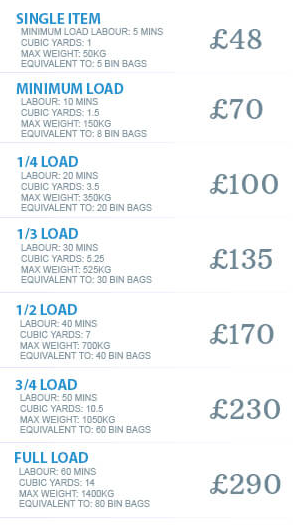
And if you are comparing providers or trying to make sense of costs, the page on pricing and quotes is a sensible place to start.
Common mistakes to avoid
A lot of the trouble with rubbish removal comes from small oversights, not huge disasters. The good news? Most are easy to avoid.
- Leaving sorting until collection day: This slows everything down and makes it harder to work out what really needs to go.
- Forgetting access details: Narrow staircases, basement entries, and parking issues can change the whole plan.
- Mixing hazardous or restricted items with general rubbish: Some materials need special care and should be identified early.
- Assuming every item can be taken the same way: Furniture, builders' waste, and green waste often need different handling.
- Choosing only on price: Cheap is rarely cheap if the job has to be re-done or delays your project.
- Blocking communal areas: In shared buildings, that can create friction very quickly. Nobody wants that conversation by the letterboxes.
One more mistake worth mentioning: underestimating how much stress a messy home creates. It can feel small at first, but clutter has a habit of spreading into the rest of the week. Sort it early and life gets easier. Honestly, it does.
Tools, resources and recommendations
You do not need a toolbox full of specialist gear to prepare for rubbish removal, but a few simple items help.
- Sturdy bags and boxes: Useful for small mixed items, books, textiles, and loose household waste.
- Labels or marker pens: Handy if you are separating keep, donate, recycle, and remove piles.
- Gloves: A sensible basic precaution, especially for lofts, garages, and garden areas.
- Phone camera: Quick photos are useful for planning and quoting.
- Basic measuring tape: Helps with bulky furniture and tight doorways.
For a fuller view of the kind of services that fit different jobs, the services overview is a practical reference. If the issue is a single bulky item, rubbish collection in Chelsea may be enough. If you are dealing with a more spread-out mess, waste removal or a broader clearance service may make more sense.
For trust and process details, it is also worth reading insurance and safety guidance and the page on payment and security. Those little checks are not exciting, granted, but they matter.
Law, compliance, standards and best practice
For rubbish removal, the main compliance concern is making sure waste is handled responsibly. In the UK, householders still have a duty to be sensible about who takes their waste and where it ends up. That means using a provider that is clear about collection, transport, and disposal practices.
In plain English: if someone offers to take your rubbish but cannot explain what happens next, that is a red flag. Not a subtle one either. Always make sure the service is transparent about waste handling and able to deal with the type of material you have.
For mixed waste in Chelsea homes, best practice usually means:
- separating reusable items where possible,
- keeping recyclable materials apart if practical,
- identifying anything that needs extra care,
- avoiding unsafe lifting or manual handling,
- keeping shared access routes clear,
- and using proper insurance and safe working practices.
If you are arranging a clearance after building work, the rules of thumb are a bit stricter because construction debris is heavier, sharper, and messier. That is where a service like builders waste clearance Chelsea becomes the better fit.
Best practice also includes respecting privacy and property boundaries. In a tall terraced house or converted block, that can mean being careful with shared staircases, protecting walls, and moving items without making a scene. Quiet professionalism goes a long way.
Options, methods, or comparison table
Not every rubbish problem needs the same solution. Here is a simple comparison to help you choose.
| Method | Best for | Strengths | Things to watch |
|---|---|---|---|
| Direct rubbish collection | Small to medium loads, a few bags, single items | Quick, simple, low disruption | May not suit larger or mixed clearances |
| Full rubbish clearance | Mixed household waste, cluttered rooms, larger jobs | Flexible, convenient, more comprehensive | Needs a clearer brief and sometimes more time |
| Furniture disposal | Sofas, wardrobes, beds, tables, office furniture | Ideal for bulky, heavy items | Measure access before booking |
| Skip hire | Longer projects, ongoing work, larger waste volumes | Useful for phased clear-outs and renovation work | Requires space and can be awkward in tight SW3 streets |
For many Chelsea homes, the decision comes down to access versus volume. If you have the space for a skip and the job is ongoing, skip hire in Chelsea can work well. If you want everything gone in one visit without turning the street into a building site, the more hands-on clearance route is often easier.
Case study or real-world example
A typical Kings Road scenario might start with a homeowner preparing for decorators. There is a three-seat sofa to remove, two broken dining chairs, stacked cardboard from recent deliveries, an old TV unit, and a few sacks from the loft. Nothing dramatic. Just enough to become annoying.
The first step is to separate what can stay from what has to go. The second is to identify which items are bulky and which are just loose rubbish. The third is access: can the sofa get down the stairs without scratching the wall? Is there room for loading outside? Can items be placed in a clean pile so the hallway still works for neighbours?
In that kind of job, the cleanest approach is usually to remove the loose rubbish first, then the furniture, then any remaining awkward items. If there is also old storage from the loft, a combined loft clearance can save another round of disruption. That is the sort of detail people often miss until they are already halfway through the process.
The result, when done properly, is not just an emptier home. The decorators can start on time. The entrance looks respectable. The household breathes easier. Simple win, really.
Practical checklist
Use this checklist before your rubbish removal booking or collection day.
- List every item or pile that needs removing.
- Separate keep, donate, recycle, and remove piles.
- Take photos of the waste and the access route.
- Measure bulky furniture and note stair widths if needed.
- Confirm whether parking or loading restrictions apply.
- Identify anything special such as electrical items, garden waste, or builders' debris.
- Clear a path through the property where practical.
- Ask about recycling and disposal handling.
- Check pricing, payment method, and insurance details.
- Keep valuables, documents, and essentials safely away from the collection area.
If you are still comparing options, about us and contact are useful next stops for understanding the service side and asking questions before you book.
Conclusion
Rubbish removal in Kings Road and the wider SW3 area works best when it is treated as a local logistics job, not just a cleanup. Access, timing, waste type, and building layout all shape the result. Once you plan for those realities, the process becomes much easier and far less annoying than most people expect.
Whether you are clearing one awkward sofa or dealing with a full-house refresh, the smartest move is to match the service to the job, prepare the space, and keep the process tidy from the start. That way, the whole thing feels organised rather than overwhelming. And in Chelsea, that matters more than people think.
For a calmer, cleaner finish to your home project, take the next step when you are ready.
Get a free quote today and see how much you can save.
Sometimes the best kind of progress is simply making space again. A clear room changes the whole mood of a home, and that is no small thing.